


Why Choose Us
Customization
Transform your industrial machinery with our cutting-edge motor customization solutions! Boost efficiency, optimize performance, and maximize output with tailored engineering upgrades designed to meet your unique production needs.
Quality
"Elevate your expectations with our premium motor quality! Engineered to exceed industry standards, our motors are crafted with precision and care to deliver unmatched performance and durability. Built to withstand the toughest conditions, our motors ensure reliable operation day in and day out, keeping your equipment running smoothly and efficiently. Experience the difference with our commitment to excellence – choose superior motor quality for your applications and drive with confidence."
Achievement
MCM sales performance in the engineering industry is truly commendable, showcasing remarkable resilience, strategic vision, and consistent growth amidst challenging market conditions.
Service
Professional technical personnel provide consultation before and during sales, and 24-hour after-sales service support.
What is Rolling Mill Motor
Rolling mill motor is an electric motor used in rolling mill equipment, mainly used in metal rolling and processing processes. This kind of motor is usually designed to drive rolling mill equipment, such as steel plants, non-ferrous metal plants, etc., to produce steel, aluminum and other metal products.
Related Product

MILL DC Motor is a high-quality DC motor (center height H315-1000). It absorbs new technologies and new processes related to DC motors at home and abroad, and is optimized and designed using advanced computer design software.

Large DC Motor is a powerful electric motor used in industrial applications, typically where high power and reliability are required. These motors are usually powered by a DC power source and their structure consists of a stator and a rotor. The stator is the stationary part, usually including the electromagnetic coils, while the rotor is the rotating part, usually including the brushes and armature.
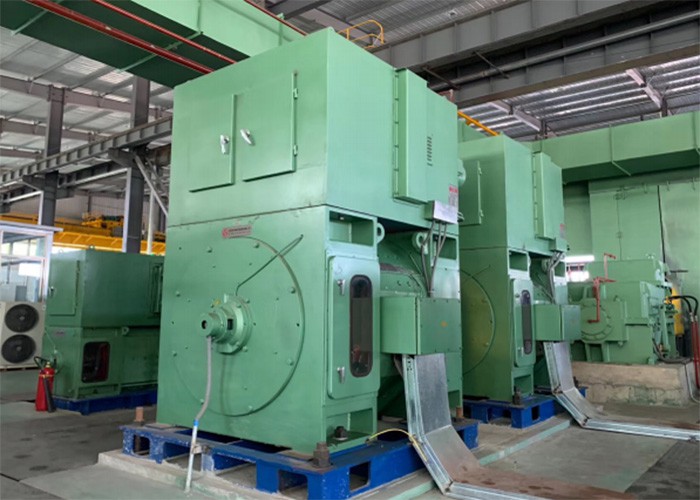
Large Size DC Motor is a powerful DC motor commonly used in applications requiring high power output and precise control. This type of motor is made up of many different components, including the armature, field, commutator, and brushes. They are typically designed for use in large industrial equipment, machinery, electric vehicles and other systems that require high torque and reliability.

Large Scale Rolling Mill DC Motor
Large Scale rolling mill DC Motor is a common equipment in the industrial field. It is mainly used to drive steel rolling machinery and equipment to ensure the efficient operation of the production line. This DC motor usually consists of several main parts: armature, permanent magnets, commutator, brushes and casing. The armature is the rotating part of the motor, and the permanent magnets provide the magnetic field to produce torque. The commutator is used to change the direction of the current and the brushes are responsible for providing the current on the armature. The shell serves as protection and support.

Marine propulsion Motor is an important part of ships, providing the necessary power for them to move through the water. These motors are highly advanced and operate reliably and efficiently even in the most challenging conditions.
Our company provides Marine propulsion Motor for the domestic shipbuilding industry, which is used on ships or ship test benches. The motor meets the requirements of classification society specifications and meets the requirements of IEC60034, IEC60038, EN50112 and other relevant marine motor standards.

Highspeed Wire Rolling Mill Motor
High speed Wire Rolling Mill Motor is a motor specially designed for high speed wire rolling mills, usually used in production lines in the metal processing industry. This motor is designed to drive rolling mill equipment to process metal blanks into the desired wire shape. These motors usually need to have high efficiency, high reliability and high torque output to ensure stable operation and high output of the production line.
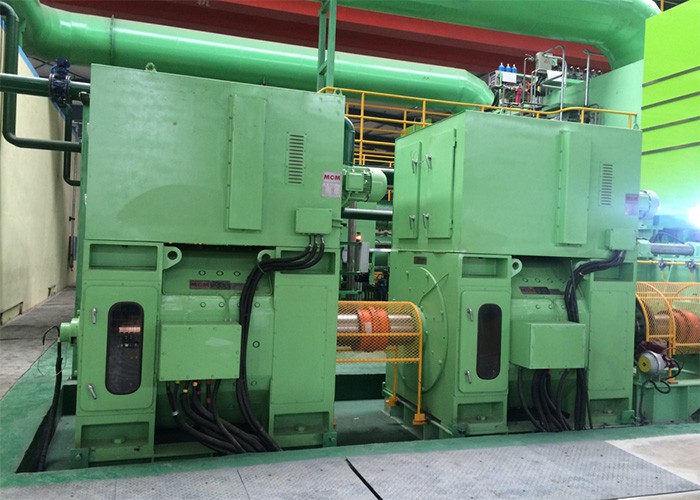
Medium DC Motor is a common DC motor commonly used in a variety of industrial and commercial applications. They consist of a rotating electronic magnet (called a rotor) and a fixed electromagnet (called a stator), which uses a DC power source to generate electromagnetic force to drive the rotor to rotate.

The Precise Rolling Mill Motor is a high-precision motor designed specifically for rolling mill applications. This type of motor is often used in the metal processing industry, such as in the rolling process of steel, aluminum and other metal materials. It has precise control capabilities and can provide stable rotation speed and torque output to ensure product quality and production efficiency.

Flying Shear Motor is a key equipment used in steel production lines, mainly used for cutting steel plates or steel bars in continuous rolling mills. It is usually installed at the exit of the rolling mill and can quickly and accurately cut steel to meet different length requirements. The working principle of the Flying Shear Motor is to control the movement of the cutting tool through the electric drive system to achieve fixed-length cutting of steel.
Advantages of Rolling Mill Motor
High power output, which helps the Rolling Mill Motor run smoothly and efficiently. Featuring a strong rotor and stator, the motor generates high torque and speed, allowing the rolling mill to produce high-quality steel. In addition, the motor is designed to operate under the extreme temperature and humidity conditions commonly found in rolling mills, ensuring uninterrupted production processes.
Energy efficiency, which helps reduce the overall energy consumption of the rolling mill. Modern rolling mill motors are equipped with advanced control systems that ensure the motor operates at optimal efficiency levels, minimizing energy loss and reducing carbon footprint. This not only helps reduce operating costs but also contributes to environmental sustainability.
Rolling mill motors are easy to maintain and repair and have a long service life, making them a cost-effective solution for rolling mill operators. The motor is designed to withstand the wear and tear of heavy-duty operation and its components are replaceable, ensuring the motor can be easily repaired and refurbished. This reduces mill downtime and increases overall productivity.
• Power: 55kW-5000kW
• Voltage: 220V-870V
• Speed: 50-3000RPM
• Class H insulation
• Protection levels include IP23, IP44, IP54
• Cooling method: IC06, IC17, IC37 and ICW37A86
Mill Motor Vibration Causes and Treatment
The causes of large vibration of rolling mill motor mainly include
Rotor abnormality: Improper assembly of the rotor or shaft bending leads to abnormal vibration, which affects the stability of the equipment load and bearing temperature, and in serious cases, it may produce problems such as loose connection and detachment.
Electrical faults: Electrical causes such as serious imbalance of current in each phase of the motor, loose rotor bars and loose stator coils cause vibration of the motor, accompanied by increased heat and higher operating temperature of the motor.
Gear mechanical vibration: Rolling machinery and equipment in operation to withstand greater pressure, gear force and load impact serious, long-term use may occur after tooth wear, pitting or broken teeth.
Rolling speed is too high: When the rolling speed is too high and the finished product specification is thin, it is easy to produce vibration.
The road rolling process parameters are not reasonable: Such as low rolling pressure, small deformation, strip before the tension is larger.
Poor lubrication conditions: Such as emulsion concentration is too high or too low.
Roll damage: If the middle roll or support roll is damaged, it is not replaced in time.
Clearance between roll bearings and bearing seat: The mill vibrates during the rolling process.
Handling measures include
• Disconnect the motor and the load, test the motor in empty, detect the vibration value, and check the vibration value of the motor foot to ensure that it meets the requirements of the national standard GB10068-2006.
• Check the vibration value of the motor footing to ensure that the vibration value at the footing plate shall not be greater than 25% of the corresponding position of the bearing.
• If one of the four feet or two diagonal vibration exceeds the standard, and the vibration is qualified after loosening the foot bolt, it means that the foot is not solidly padded, and it is necessary to re-center and tighten the foot bolt.
• Check whether the coupling installed on the shaft extension and shaft shoulder level, such as uneven, excess key generated by the vibration force will cause the motor level vibration exceeds the standard, need to be adjusted to reduce vibration.
Cleaning
• Regularly clean the surface and interior of the mill motor to remove oil, metal shavings and other impurities. Cleaning should use appropriate cleaning agents, avoid the use of corrosive substances to avoid damage to the motor.
• When cleaning the motor, special attention should be paid to the motor fan, heat sink and other parts of the clean, to ensure that the motor heat dissipation is good.
Lubrication
• The bearings, gears and other moving parts inside the motor need to be lubricated regularly to reduce friction and wear. The type and use of lubricant should be selected according to the specific model and requirements of the motor.
• Regularly check the oil level and quality of the lubricant. If the lubricant is found to be deteriorated or the oil level is too low, it should be replaced or replenished in time.
Fastening
• Regularly check whether the fasteners of the motor, such as bolts and nuts, are loose, and if they are loose, they should be tightened in time.
• For key parts such as transmission parts and fixing bolts, they should be checked and fastened regularly to ensure the stability and safety of the motor.
Inspection
• Regularly check the electrical system of the motor, including whether the connections of wires and plugs are good, to avoid damage or shutdown of the motor due to electrical failure.
• Regularly check the insulation of the motor to ensure that no safety accidents, such as leakage, will occur during the operation of the motor.
• Regularly check the running status of the motor, such as vibration, noise, etc. to see if it is normal, and stop the machine for inspection if any abnormality is found.
Precautions
• When carrying out motor maintenance, the relevant safety regulations should be observed to ensure personal safety.
• Regular maintenance of the motor can find and solve potential problems in time to avoid motor failure during operation.
• When performing motor maintenance, special tools and equipment should be used to avoid damage to the motor or safety accidents due to improper use.
Structural Components of the Mill Motor

Motor body
• The mill motor is usually a three-phase asynchronous AC motor, which has a large size and power to meet the high load demand of the mill.
• The motor body includes key components such as stator, rotor and motor shaft. The stator is the fixed part of the motor, which is wound with windings that produce a rotating magnetic field when energized. The rotor is the rotating part of the motor with conductors embedded in it, which generates torque under the action of the rotating magnetic field, thus driving the motor shaft to rotate.
Drive train
• The main function of the transmission system is to convert the rotary motion of the motor into the linear motion of the roll to realize the rolling process.
• The main structure includes variable speed gearbox, transmission gearbox, universal joint shaft and so on. These components ensure the efficient and stable operation of the motor through precise coordination and transmission.
Control system
• The control system is the core part of the mill motor, which is responsible for the motor's start, stop, speed control and other control functions.
• The control system usually includes inverter, PLC (programmable logic controller) and other equipment. Frequency converter by adjusting the motor power supply frequency and voltage, to achieve precise control of the motor speed. PLC is responsible for the logic control and data processing of the entire rolling mill system.
Cooling and lubrication system
• Due to the large load of the mill motor, the motor generates a large amount of heat during operation. Therefore, the cooling system is essential to ensure the stable operation of the motor.
• Common cooling methods include air cooling and water cooling. Meanwhile, the lubrication system is used to provide lubrication to the critical parts of the motor, such as the bearings, to minimize wear and prolong service life.
Auxiliary equipment
• In addition to the above main structure, the mill motor also includes some auxiliary equipment, such as couplings, connecting shafts and so on. These equipments are used to connect the motor with other transmission parts to ensure the stable operation of the whole rolling mill system.
Safety protection devices
• In order to ensure the safe operation of the mill motor, usually also equipped with some safety protection devices, such as overload protection, overheating protection, undervoltage protection. These devices can cut off the power supply in time when the motor is abnormal, to prevent equipment damage or accidents.
Rolling mill motors are widely used in rolling large steel, sheet metal and wire rod and other industrial fields. In rolling mills, the motor often needs to run at high speed, so the maintenance and repair of the motor is particularly important.
First of all, the surface of the motor needs to be cleaned and maintained regularly. Remove the motor surface dirt, to maintain good heat dissipation conditions of the motor. Secondly, the filter element and screen of the motor need to be cleaned and replaced regularly to ensure that the internal part of the motor can be effectively dissipated and protected. In addition, the electrodes and wires of the motor need to be checked regularly to keep the motor in normal working condition.
Operation Procedure of Mill Motor
Preliminary preparation
● Equipment Inspection
Check whether the mill motor and its related equipments (e.g. cooling system, lubrication system, etc.) are working properly to ensure that the equipments are in good working condition.
Pay special attention to the inspection of key components such as rolls, gears, electrical system, etc.
● Preparation of raw materials
According to the production plan and rolling requirements, select suitable raw materials for cutting or drawing.
● Site preparation
Clean up the site to ensure that there are no debris and obstacles around the equipment.
Provide necessary safety protection equipment and tools for operators.
Operation Preparation
● Starting the equipment
Start the mill motor, cooling system and lubrication system in sequence according to the operation manual and safety operation regulations.
Carry out relevant inspections and tests to ensure normal operation of the equipment.
● Preheat the rolls
According to the rolling requirements and raw material characteristics, control the preheating temperature and time of the rolls, so as to make the rolls expand naturally and the surface quality appropriate.
● Roll adjustment
According to the rolling requirements and raw material characteristics, adjust the geometry and deviation of the rolls to ensure that the size, shape and surface quality of the raw material after rolling meet the requirements.
Rolling process
● Feed adjustment
According to the rolling requirements and raw material characteristics, adjust the feeding speed and roll spacing, so that the raw material enters the roll uniformly to avoid problems such as excessive stretching or fracture.
● Rolling control
Control roll speed, rolling force and cooling water temperature and other parameters to ensure that the raw material after rolling to achieve the expected size, shape and surface quality.
Real-time monitoring of rolling size, surface quality, rolling force, deformation and temperature and other parameters to find and deal with problems in time.
End of rolling
● Rolling stop
After reaching the rolling requirements, stop feeding first, and then gradually reduce the speed of rolls until it stops.
Carry out the relevant shutdown operation according to the safety regulations to ensure the safety of the equipment and rolling materials.
● Unwinding of rolled material
After confirming that the quality and size of the rolled material meet the requirements, carry out the rewinding and cleaning of the rolled material.
Clean the coolant, lubricating oil and rolls to keep the equipment clean.
● Equipment shutdown
Shut down equipment such as rolling mill motor, lubrication system, cooling system and power supply.
End the rolling work and make records of equipment maintenance and repair.
Principle of Operation of Mill Motors
Motor drive
• Motor body: The mill motor is usually a three-phase asynchronous AC motor, which includes a stator and a rotor inside the motor. The stator has windings that produce a rotating magnetic field when energized. The rotor will generate torque under the action of the rotating magnetic field, thus driving the motor shaft rotation.
• Control system: The control system usually includes equipment such as frequency converter, which realizes precise control of the motor speed by adjusting the motor's power supply frequency and voltage. The frequency converter can adjust the rotational speed of the motor according to the requirements of the rolling process, so as to control the rolling speed of the rolls.
Transmission of transmission system
• Transmission system: Including variable speed gear box, transmission gear box, universal joint shaft and other components, these components will be the rotating power of the motor to the roll.
• Gearbox: Through the internal gear transmission, the motor speed is converted into the required speed of the roll, and at the same time, the speed can be adjusted according to the need.
• Universal joint shaft: It is used to connect the motor and the roll, transfer the rotating torque, and at the same time allow the axial movement of the roll in the rolling process.
Rolling process of rolls
• Rolling: Driven by the motor, the roll starts to rotate and feeds the metal material (e.g. steel) between the rolls.
• Rolling: The rolls compress and deform the metal material. By adjusting the pitch and rotating speed of the rolls, the size, shape and surface quality of the metal material after rolling can be controlled.
Auxiliary system and safety protection
• Cooling and lubrication system: As the rolling process generates a lot of heat, a cooling system is needed to cool the rolls and the motor. At the same time, the lubrication system provides lubrication for the bearings and other critical parts of the motor to reduce wear and tear.
• Safety protection devices: Including overload protection, overheat protection, under-voltage protection, etc., to ensure that the mill motor can be safely shut down under abnormal conditions to prevent equipment damage or accidents.
Our factory
WUXI MCM ELECTRIC MACHINERY CO.,LTD was established on October 18, 2011. Its registered address is located at Lot E15, Phase 5, Shuofang Industrial Concentration Zone, Xinwu District, Wuxi City (within Lidong Industrial Company). The legal representative is Dong Xiaofang. The business scope includes the manufacturing, processing, sales and technology development and technical services of motors; the research and development, design, processing and sales of industrial automatic control systems; the import and export of self-operated various commodities and technologies (the state limits the operation of companies or prohibits import and export) Except for goods and technologies).

video
FAQ
Hot Tags: rolling mill motor, China rolling mill motor manufacturers, suppliers, factory