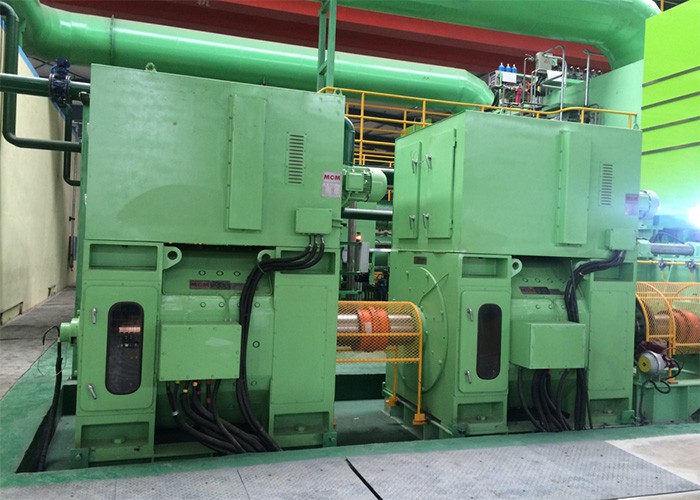
1. Daily inspection and cleaning
Clean the air intake filter: Check and clean or replace the air intake filter regularly to prevent dust and impurities from entering the compressor.
Clean the cooling system: Regularly remove dust and dirt from the cooler to ensure good heat dissipation and avoid overheating of the equipment.
Check the cleanliness of the equipment: Regularly check and clean internal components such as impellers, bearings and seals to ensure that there is no dust or oil accumulation.
2. Lubrication system maintenance
Check the lubricating oil: Make sure the oil level of the lubricating oil is within the normal range and replace the lubricating oil regularly.
Clean the lubrication system: Regularly clean the pipes and filters of the lubrication system to prevent impurities from entering the lubrication system.
Monitor the lubricating oil temperature: Regularly monitor the lubricating oil temperature to ensure that it is within the normal range.
3. Vibration and noise monitoring
Monitor vibration: Use a vibration monitoring instrument to regularly check the vibration of the compressor. Abnormal vibration may indicate bearing wear or other mechanical failures.
Noise monitoring: Abnormal noise may be caused by loose components or increased friction, which needs to be checked and repaired in time.
4. Sealing system inspection
Check seals: Check the wear of seals regularly and replace worn or aged seals in time.
Monitor gas leakage: Check the compressor regularly for gas leakage, especially high-pressure gas leakage, which may bring safety hazards.
5. Prevent surge
Surge is an unstable operating state of the compressor, which may cause serious accidents. Operators need to monitor the anti-surge screen in real time, pay attention to the position relationship between the operating point and the anti-surge line, and open the anti-surge valve manually or automatically when necessary.
6. Planned prefabricated maintenance
Analyze problems regularly: Analyze and evaluate problems encountered during operation in a timely manner, and stop work if necessary.
Replace parts: Replace parts that have reached their operating life when they are shut down for maintenance.
7. Stabilize process conditions
Try to ensure the stability of process conditions and avoid frequent adjustments to the compressor speed to avoid affecting the speed control mechanism and the compressor sealing system.
8. Electrical system maintenance
Check electrical connections: Ensure that all electrical connections are firm to avoid equipment failures caused by poor contact.
Check the motor operating status: Regularly check the motor operating status, including current, voltage and temperature, to ensure that the motor is working within the normal range.
9. Shutdown maintenance
During the long-term shutdown of the centrifugal compressor, proper maintenance is also required to prevent problems with the equipment due to long-term idleness.